During my internship at Energyline (located Woolston Christchurch), the marketing team required information about the embodied carbon in the products, this is required for architects trying to perform lifecycle analysis on their buildings.
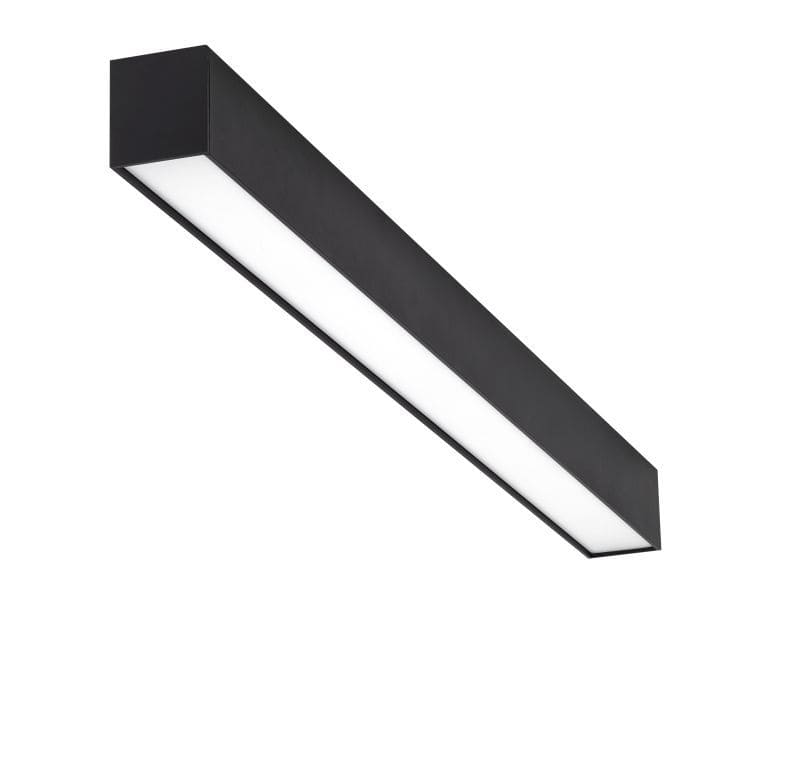
Typically this is a pretty straightforward process, you consider the materials used in your product, you use the tables and methods provided by the CIBSE TM65 to translate to embodied carbon, and you have your figure. What made this tricky is that Energyline makes lights of different profiles, with different dimensions and features, so there is no one size fits all figure.
Creating the matrix
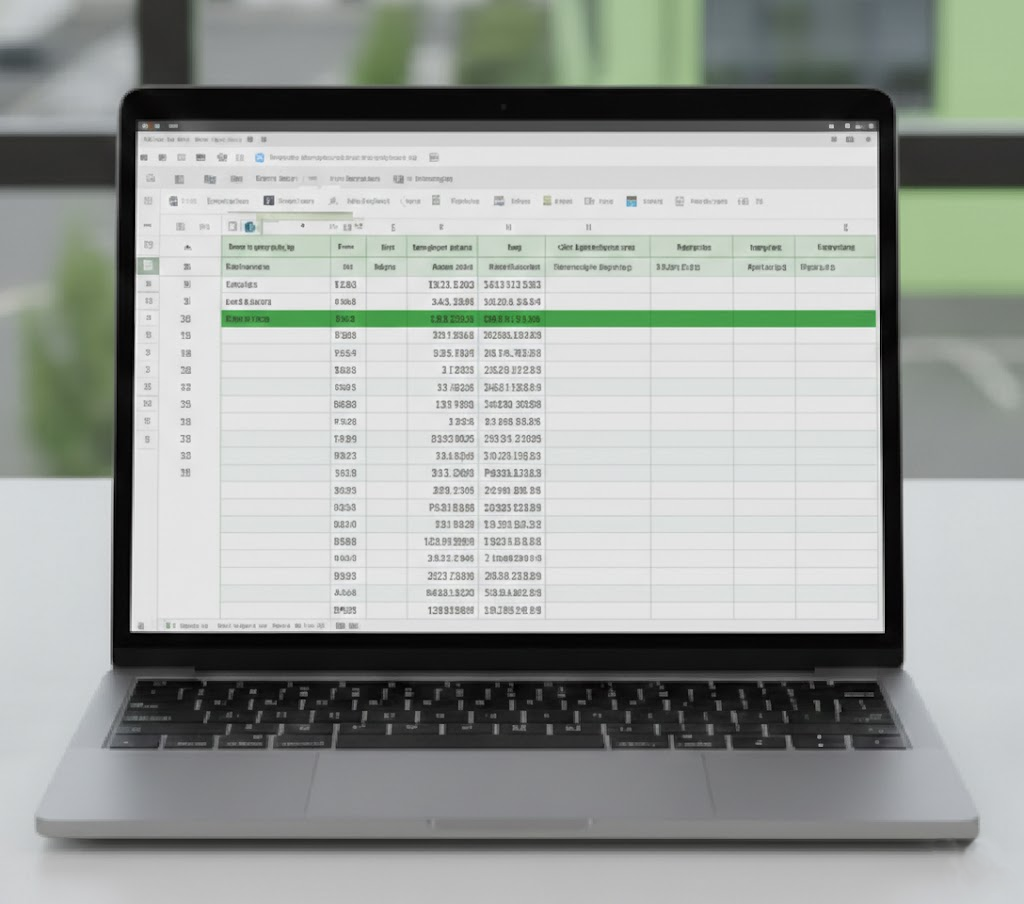
Using Excel, I was able to create a table that would capture the embodied carbon of their smallest possible light, and then apply a linear increase of carbon as the light length increases. At certain points, another LED panel is required, at which point, a new linear segment would begin. This repeats and continues as additional components are required such as additional power supplies.
Some components such as end caps, power cables, and mounting hardware could actually be calculated separately, so for this case, the embodied carbon of the total product becomes the customisable product in addition to these optional parts.
To complete the carbon analysis, I would have to duplicate this table and adjust the parameters for the different profiles. Using this method, I was able to solve for the embodied carbon values of all the possible products.
The Results
Working through this carbon analysis found that the use of recycled aluminum smelted here in NZ by McKechnie made a considerable impact. Because aluminium is typically a material with a lot of embodied carbon, having a local smelter using recycled aluminum meant that the Energyline embodied carbon result was significantly lower than products made with virgin material or made in countries without clean power. Additionally, the long life span of these products meant that Architects using this product in their designs would be able to get lower carbon figures when accounting for the building life span.
This project could be taken a step further as the carbon figures could be quickly generated with a few inputs if needed. This would be good for a dynamic website where a user could be adjusting lighting length with a slider to find the values of lowest carbon per light output.
The generalist resume covers a broad range of topics but doesn’t detail a particular field or my comprehensive skill set as it may not be relevant to the listing.
The Mechanical resume details my ability to work with CAD software in a variety of settings, as well as covering my skills with tools and in manufacturing.